Water Reuse vs Water Recycling: Unpacking the Differences
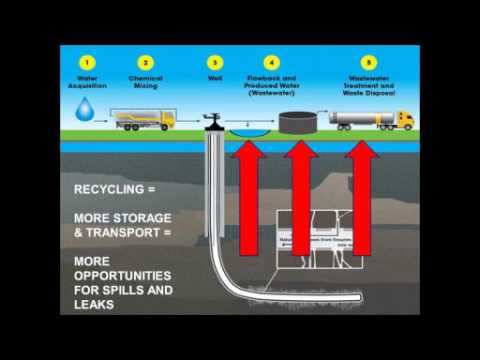
The terms water reuse and water recycling are often used interchangeably, but they have distinct meanings and applications. Water reuse refers to the use of tre
Overview
The terms water reuse and water recycling are often used interchangeably, but they have distinct meanings and applications. Water reuse refers to the use of treated wastewater for non-potable purposes such as irrigation, toilet flushing, and industrial processes, with the US EPA estimating that water reuse can save up to 1.8 billion gallons of water per day. Water recycling, on the other hand, involves the treatment of wastewater to produce water that is safe for drinking, with Singapore's NEWater program being a notable example, producing 40% of the city-state's water supply. The controversy surrounding water recycling stems from concerns over public health and the perceived 'yuck factor', with a 2020 survey by the Water Research Foundation finding that 63% of Americans are unwilling to drink recycled water. Despite these challenges, water reuse and recycling are crucial for addressing global water scarcity, with the United Nations projecting that 5 billion people will live in water-scarce areas by 2050. As the world grapples with the complexities of water management, the development of innovative technologies and policies will be essential for widespread adoption of water reuse and recycling practices, with companies like Xylem and Veolia already making significant investments in this space.