Viral Replication Cycle: Unpacking the Intricacies | Estateplanning
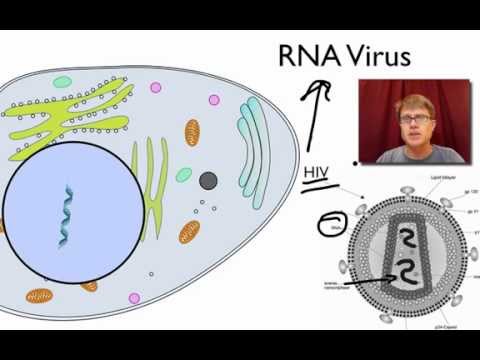
The viral replication cycle is a complex, multi-step process by which viruses reproduce and spread within host cells. This cycle includes attachment, penetratio
Overview
The viral replication cycle is a complex, multi-step process by which viruses reproduce and spread within host cells. This cycle includes attachment, penetration, uncoating, replication, transcription, translation, assembly, and release. Each step is crucial for the successful replication of the virus, and understanding these processes is essential for developing effective antiviral therapies. The replication cycle of viruses such as HIV, influenza, and SARS-CoV-2 has been extensively studied, revealing key insights into the molecular mechanisms underlying viral infection. For instance, the replication cycle of SARS-CoV-2 involves the interaction of the viral spike protein with host cell receptors, such as ACE2, to facilitate entry into the host cell. Furthermore, the replication cycle of viruses can be influenced by various host cell factors, including the presence of innate immune responses and the availability of nutrients and energy sources. As research continues to uncover the intricacies of the viral replication cycle, new avenues for therapeutic intervention are being explored, including the development of antiviral drugs and vaccines that target specific steps in the replication cycle.