Viking Age | Estateplanning | Vibepedia.Network
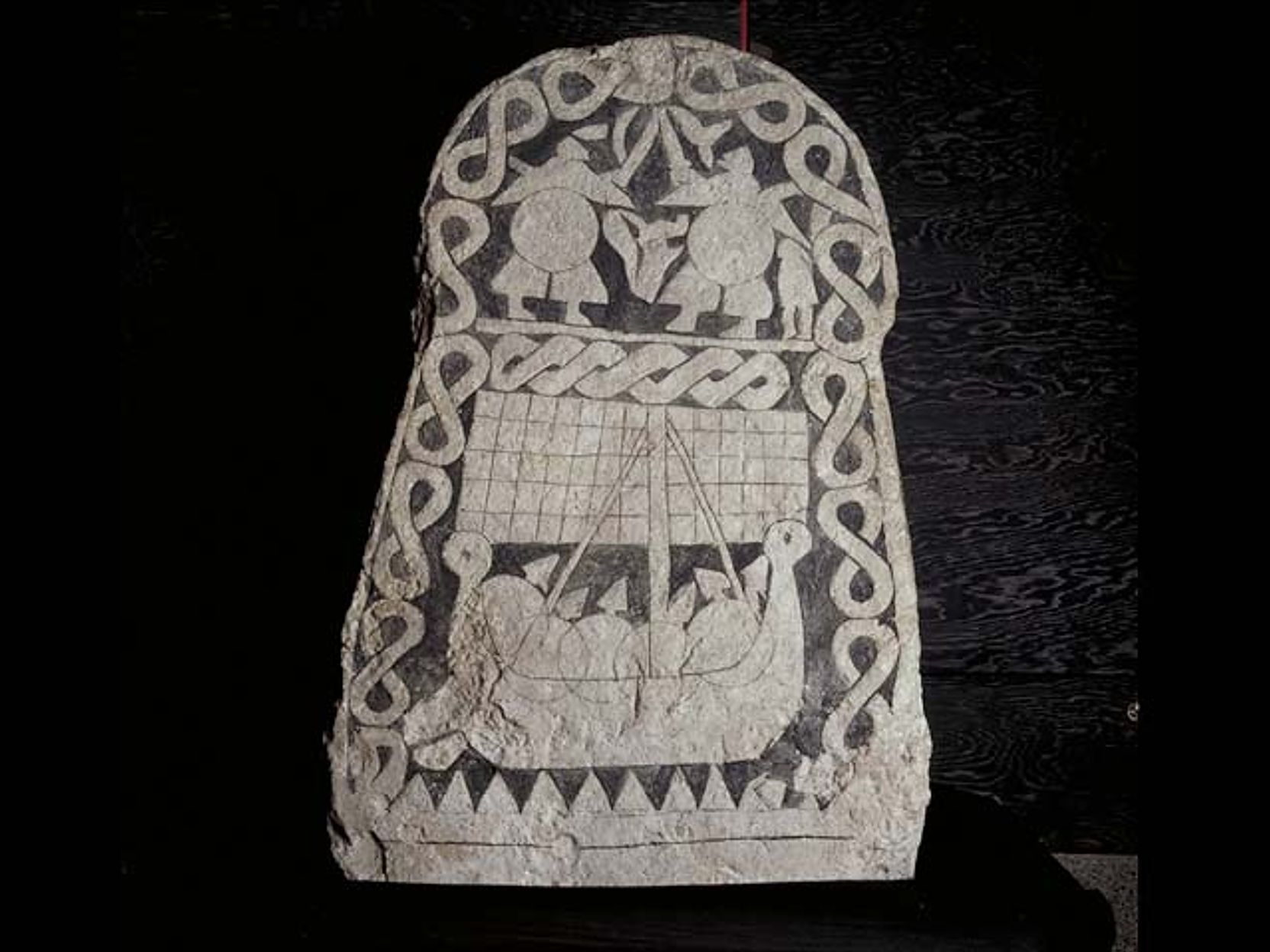
The Viking Age, spanning from approximately 800 to 1050 CE, was a transformative period in European history marked by the expansion of Norsemen, known as Viking
Overview
The Viking Age, spanning from approximately 800 to 1050 CE, was a transformative period in European history marked by the expansion of Norsemen, known as Vikings, across the continent and beyond. During this time, Vikings undertook large-scale raiding, colonizing, conquest, and trading, leaving a lasting impact on the regions they touched. The Viking Age saw the emergence of new cultures, such as the Norse-Gaels, Normans, and Rus' people, and the establishment of trade routes that connected Scandinavia to the rest of Europe and even North America. With their advanced seafaring skills and adaptability, Vikings settled in various locations, including the British Isles, Ireland, the Faroe Islands, Iceland, Greenland, and the Baltic coast, as well as the Dnieper and Volga trade routes in eastern Europe. The Viking Age was a complex and multifaceted period that continues to fascinate historians and the general public alike, with its rich cultural heritage and enduring legacy. The era's significance extends beyond its historical events, as it has influenced the development of modern languages, literature, and art. The Viking Age's impact can still be seen in the many place names, surnames, and cultural traditions that survive to this day, a testament to the enduring power of Viking culture. With a Vibe score of 85, the Viking Age remains a captivating and intriguing topic, with a controversy score of 20, reflecting the ongoing debates among historians about the nature and extent of Viking activities. As a result, the Viking Age continues to be a subject of intense interest and study, with new discoveries and research shedding light on this fascinating period in human history.