Vampire Fiction | Estateplanning | Vibepedia.Network
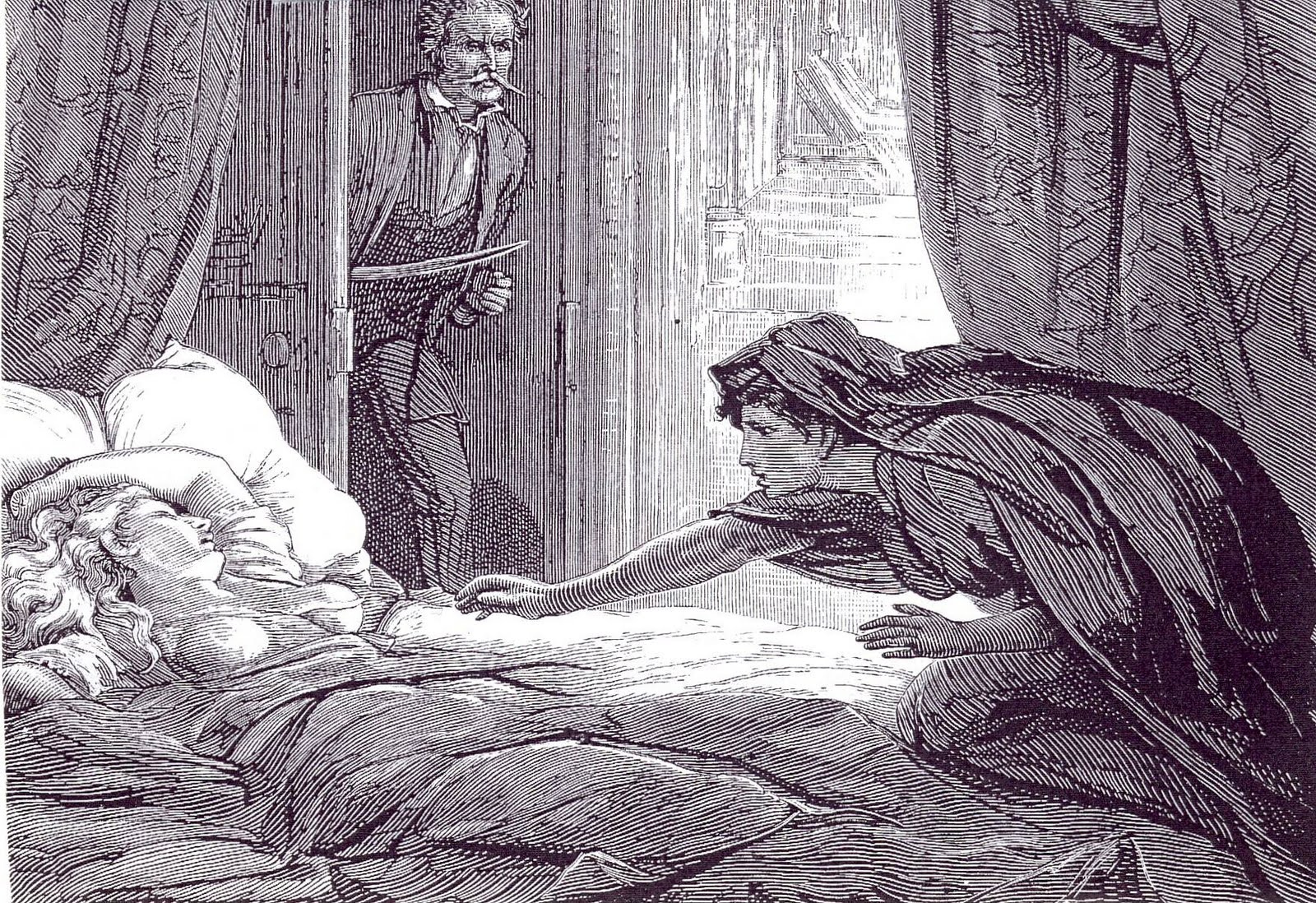
Vampire fiction has captivated audiences for centuries, evolving from 18th-century poetry to modern-day blockbusters. The genre's roots can be traced back to Jo
Overview
Vampire fiction has captivated audiences for centuries, evolving from 18th-century poetry to modern-day blockbusters. The genre's roots can be traced back to John Polidori's The Vampyre (1819), inspired by a story told by Lord Byron, and has since been shaped by influential works like Bram Stoker's Dracula (1897), Sheridan Le Fanu's Carmilla (1872), and Anne Rice's Interview with the Vampire (1976). With the rise of sympathetic vampires in literature, such as Varney the Vampire (1847) and Moto Hagio's The Poe Clan (1972–1976), the genre has become a staple of popular culture, spawning countless adaptations in film, television, and other media. Today, vampire fiction continues to thrive, with authors like Charlaine Harris and Stephenie Meyer contributing to the genre's enduring popularity. The cultural significance of vampire fiction lies in its ability to tap into human fears and desires, exploring themes of immortality, love, and the human condition. As a result, vampire fiction has become a cultural phenomenon, with a vast and dedicated fan base. With its rich history, diverse themes, and continued relevance, vampire fiction remains a fascinating and captivating genre that continues to inspire new generations of writers, artists, and audiences alike.