Technological Efficiency | Estateplanning | Vibepedia.Network
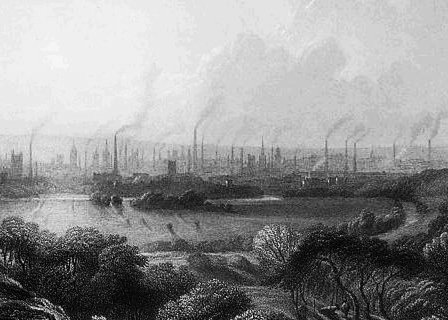
Technological efficiency refers to the use of technology to reduce the amount of resources required to produce a given output, but it can have an unexpected con
Overview
Technological efficiency refers to the use of technology to reduce the amount of resources required to produce a given output, but it can have an unexpected consequence: increased consumption. The Jevons paradox, first observed by William Stanley Jevons in 1865, suggests that improvements in efficiency can lead to a rise in total consumption of a resource, rather than a decrease. This phenomenon has been studied extensively in the context of energy consumption, where efficiency gains have often been offset by increased demand. With the global focus on sustainability and reducing waste, understanding the complexities of technological efficiency is crucial for developing effective strategies to mitigate its unintended consequences. As noted by [[william-stanley-jevens|William Stanley Jevons]] and later studied by economists like [[amory-lovins|Amory Lovins]], the relationship between technological progress and resource consumption is more nuanced than previously thought. The work of organizations like the [[national-renewable-energy-laboratory|National Renewable Energy Laboratory]] and companies like [[tesla|Tesla]] has also highlighted the importance of considering the rebound effect in the development of sustainable technologies.