Perceived vs Actual Value Differences | Estateplanning
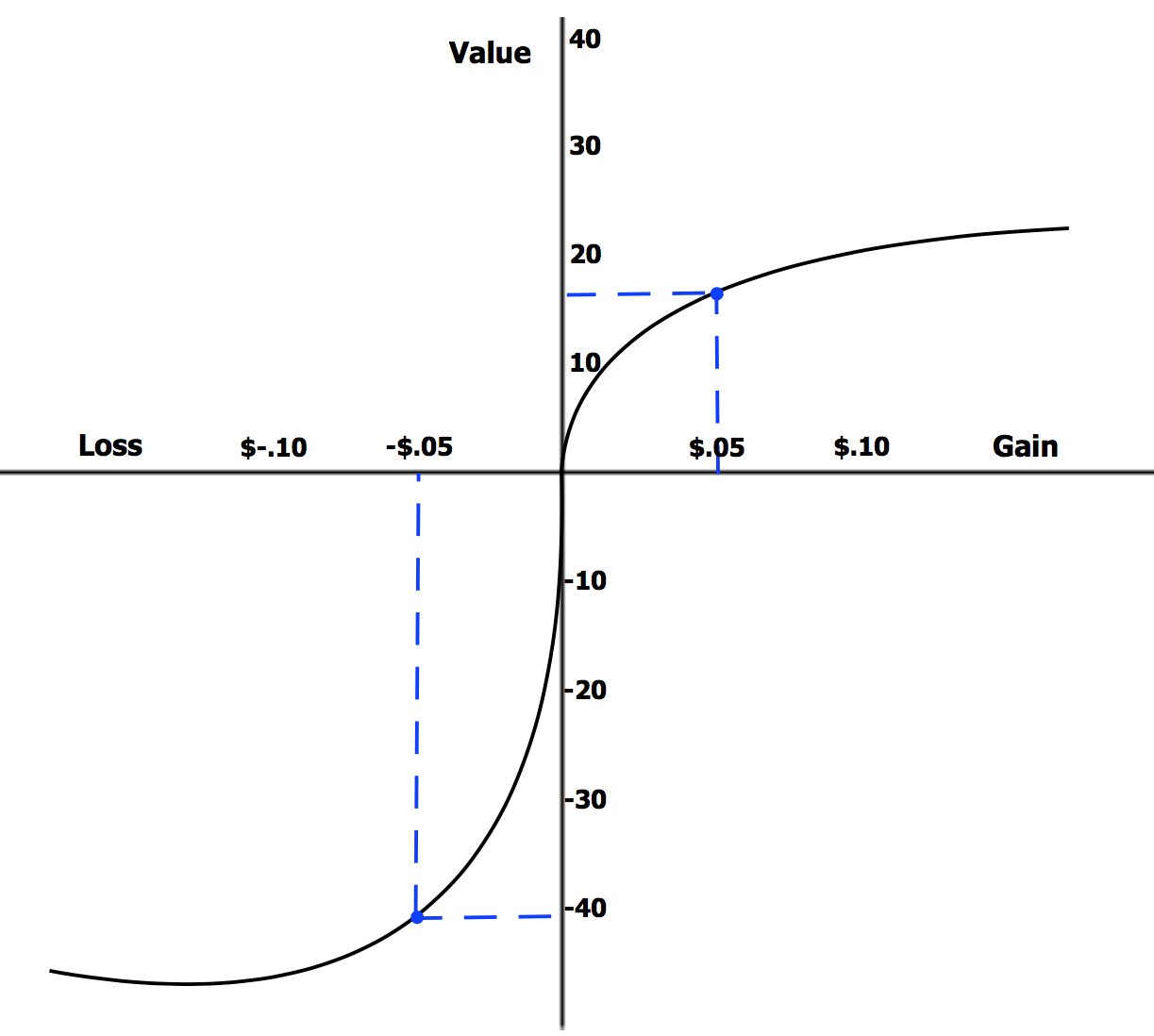
The difference between perceived and actual value is a fundamental concept in cognitive science and behavioral economics, influenced by loss aversion, a cogniti
Overview
The difference between perceived and actual value is a fundamental concept in cognitive science and behavioral economics, influenced by loss aversion, a cognitive bias where losses are perceived as more significant than equivalent gains. This phenomenon, first proposed by [[amos-tversky|Amos Tversky]] and [[daniel-kahneman|Daniel Kahneman]], has far-reaching implications for decision-making in various fields, including finance, marketing, and personal development. Understanding perceived vs actual value differences can help individuals and organizations make more informed decisions, leveraging insights from [[cumulative-prospect-theory|cumulative prospect theory]] and [[behavioral-economics|behavioral economics]].