Peptic Ulcer Disease | Estateplanning | Vibepedia.Network
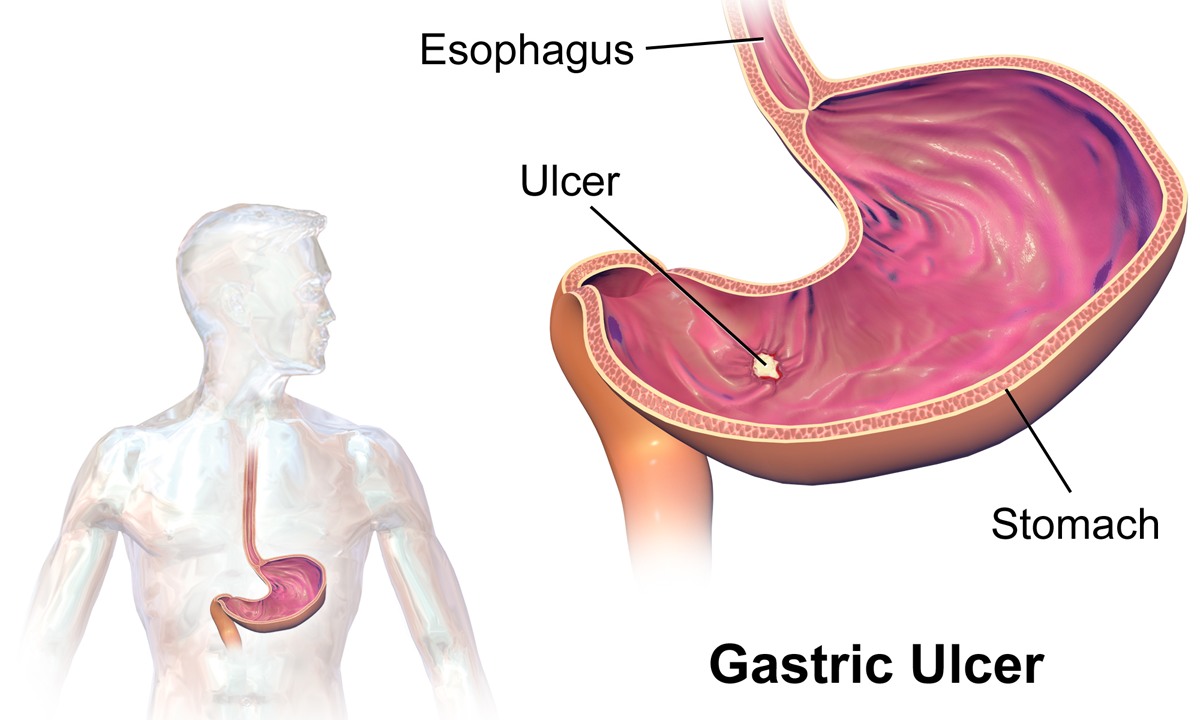
Peptic ulcer disease is a chronic condition where the stomach lining or the first part of the small intestine is damaged, leading to ulcers. Symptoms include up
Overview
Peptic ulcer disease is a chronic condition where the stomach lining or the first part of the small intestine is damaged, leading to ulcers. Symptoms include upper abdominal pain, belching, vomiting, and weight loss. The disease is often caused by Helicobacter pylori infection or the use of non-steroidal anti-inflammatory drugs (NSAIDs). Complications can be severe, including bleeding, perforation, and blockage of the stomach. With a prevalence of approximately 10% in the Western population, peptic ulcer disease affects millions of people worldwide, resulting in significant healthcare costs and impacts on quality of life. According to the [[world-health-organization|World Health Organization]], peptic ulcer disease is a major cause of morbidity and mortality globally. The economic burden of peptic ulcer disease is substantial, with estimated annual costs in the United States exceeding $10 billion, as reported by the [[national-institutes-of-health|National Institutes of Health]].