National Grid: The Backbone of Modern Energy | Estateplanning
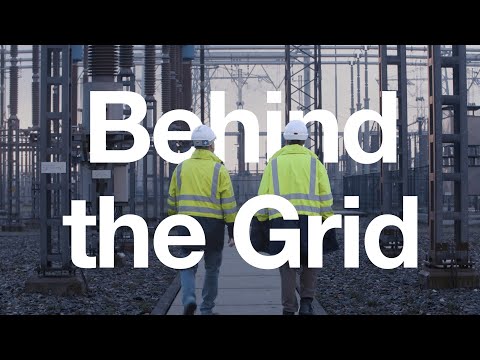
The national grid refers to the interconnected network of power transmission and distribution lines that supply electricity to homes, businesses, and industries
Overview
The national grid refers to the interconnected network of power transmission and distribution lines that supply electricity to homes, businesses, and industries across a country. The grid is a critical component of modern energy infrastructure, with a history dating back to the late 19th century when the first power plants and transmission lines were built. Today, the national grid is a complex system that involves the coordination of multiple stakeholders, including power generators, transmission operators, and distribution companies. The grid faces numerous challenges, including the integration of renewable energy sources, managing peak demand, and ensuring grid resilience in the face of extreme weather events. According to the US Energy Information Administration, the US national grid comprises over 200,000 miles of high-voltage transmission lines, with a total generating capacity of over 1,200 gigawatts. As the energy landscape continues to evolve, the national grid will play a crucial role in facilitating the transition to a low-carbon economy, with a projected investment of over $2 trillion in grid modernization by 2050.