Lego Architecture Series: A Cultural Phenomenon | Estateplanning
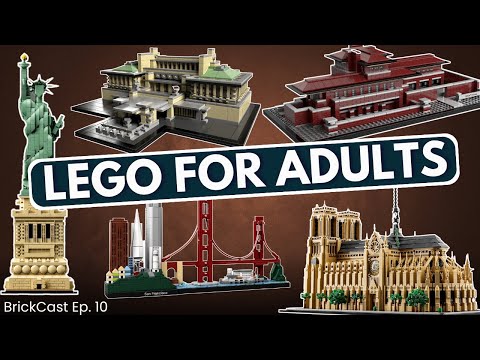
The Lego Architecture series, launched in 2008, has become a cultural phenomenon, with a vibe score of 8 out of 10, reflecting its significant cultural energy.
Overview
The Lego Architecture series, launched in 2008, has become a cultural phenomenon, with a vibe score of 8 out of 10, reflecting its significant cultural energy. This series has sparked debates among architects, historians, and fans, with some praising its attention to detail and others criticizing its simplification of complex structures. The series has featured iconic buildings such as the Guggenheim Museum, designed by Frank Lloyd Wright, and the Farnsworth House, designed by Ludwig Mies van der Rohe. With over 20 sets released to date, the series has generated significant revenue for the Lego Group, with estimated sales of over $100 million annually. The series has also inspired a community of fans, with many creating their own custom designs and sharing them online. As the series continues to grow, it raises important questions about the role of architecture in popular culture and the impact of Lego on our understanding of design and history.