Jacob Grimm: The Linguistic Legacy of a Fairy Tale Pioneer
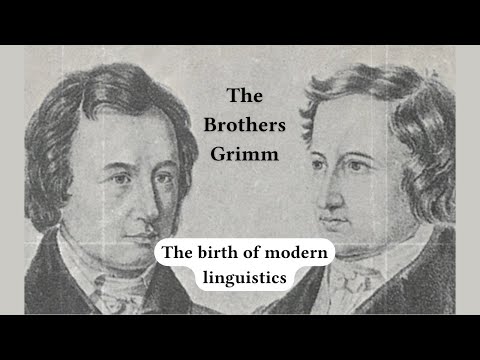
Jacob Grimm, born on January 4, 1785, in Hanau, Germany, was a pivotal figure in the development of Germanic philology and folklore. Alongside his brother Wilhe
Overview
Jacob Grimm, born on January 4, 1785, in Hanau, Germany, was a pivotal figure in the development of Germanic philology and folklore. Alongside his brother Wilhelm, he compiled the iconic Kinder- und Hausmärchen (Children's and Household Tales), a collection of Germanic folk tales that would become a cornerstone of world literature. Grimm's work extended far beyond the realm of fairy tales, however, as he made significant contributions to the fields of linguistics, law, and history. His Deutsche Grammatik (German Grammar), published in 1819, laid the groundwork for the modern study of the German language. Grimm's legacy is marked by controversy, with some critics accusing him of promoting a romanticized and nationalist view of German culture. Nevertheless, his influence can be seen in the work of countless authors, scholars, and filmmakers, including the Brothers Grimm's own influence on Disney's beloved adaptations. As we continue to grapple with the complexities of cultural heritage and national identity, Grimm's work remains a vital touchstone for understanding the power of language and storytelling. With a Vibe score of 82, Jacob Grimm's impact on modern culture is undeniable, and his work continues to inspire new generations of scholars, writers, and artists.