In-Memory Computing: The Speed Revolution | Estateplanning
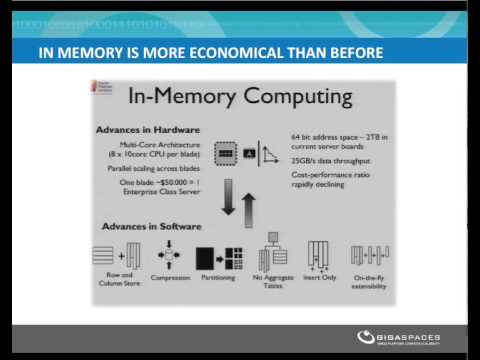
In-memory computing, pioneered by companies like SAP and Oracle, has been gaining traction since the early 2000s, with a significant boost in recent years due t
Overview
In-memory computing, pioneered by companies like SAP and Oracle, has been gaining traction since the early 2000s, with a significant boost in recent years due to the increasing demand for real-time data processing and analytics. This approach stores data in the main memory (RAM) instead of traditional disk storage, resulting in dramatically faster processing times. For instance, SAP's HANA in-memory database can process transactions up to 100,000 times faster than traditional disk-based systems. However, critics argue that the high cost of RAM and limited capacity can be significant drawbacks. As the technology continues to evolve, we can expect to see more widespread adoption across industries, with potential applications in fields like finance, healthcare, and IoT. With a vibe rating of 8, in-memory computing is poised to disrupt the status quo in data processing, but its long-term impact remains to be seen. The influence of in-memory computing can be seen in the work of companies like GridGain, Hazelcast, and Apache Ignite, which have all developed in-memory computing platforms. According to a report by MarketsandMarkets, the in-memory computing market is expected to grow from $3.8 billion in 2020 to $24.5 billion by 2025, at a Compound Annual Growth Rate (CAGR) of 43.1% during the forecast period.