Heavy Metals: The Double-Edged Sword of Modernity | Estateplanning
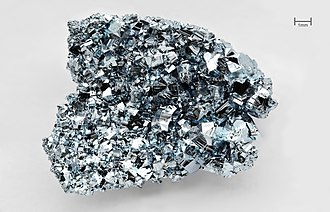
Heavy metals, a group of dense and toxic elements, have been a cornerstone of human progress, from the Bronze Age to modern electronics. However, their widespre
Overview
Heavy metals, a group of dense and toxic elements, have been a cornerstone of human progress, from the Bronze Age to modern electronics. However, their widespread use has come at a significant environmental and health cost, with many heavy metals, such as lead, mercury, and cadmium, being linked to neurological damage, cancer, and other debilitating conditions. The controversy surrounding heavy metals is multifaceted, with some arguing that their benefits outweigh the risks, while others advocate for stricter regulations and alternative technologies. According to the World Health Organization (WHO), exposure to heavy metals results in approximately 1.5 million deaths annually, with the economic burden estimated to be in the trillions of dollars. The influence of heavy metals can be seen in the work of scientists such as Clair Patterson, who pioneered the field of environmental toxicology, and in the policies of organizations like the Environmental Protection Agency (EPA), which has established strict guidelines for heavy metal emissions. As the world grapples with the challenges of sustainable development, the question remains: can we find a balance between the benefits and drawbacks of heavy metals, or will their toxic legacy ultimately outweigh their utility?