General Equilibrium Theory | Estateplanning | Vibepedia.Network
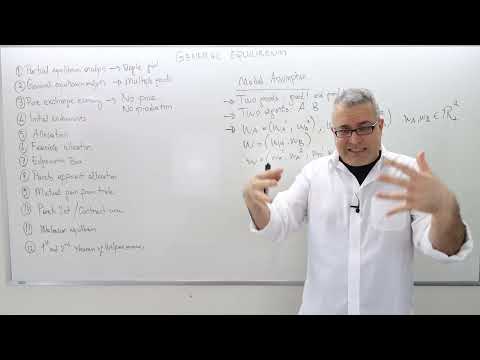
General equilibrium theory, developed by Léon Walras and Vilfredo Pareto in the late 19th century, is a branch of economics that studies the behavior of supply,
Overview
General equilibrium theory, developed by Léon Walras and Vilfredo Pareto in the late 19th century, is a branch of economics that studies the behavior of supply, demand, and prices in a multi-market economy. This theory posits that economic equilibrium occurs when the supply of a particular good or service equals its demand, and that this equilibrium is achieved through the interaction of multiple markets. The concept of general equilibrium theory is built upon the idea that individual markets are interconnected, and that changes in one market can have ripple effects throughout the entire economy. For example, a change in the price of a raw material can affect the production costs and supply of a final good, leading to changes in its price and demand. The theory has been influential in shaping modern economic thought, with notable contributions from economists such as Kenneth Arrow and Gérard Debreu, who developed the Arrow-Debreu model in the 1950s. With a vibe rating of 8, general equilibrium theory is a fundamental concept in economics, with a controversy spectrum of 6, as some critics argue that it oversimplifies the complexities of real-world markets. The influence flow of general equilibrium theory can be seen in the work of economists such as Paul Samuelson and Milton Friedman, who have applied its principles to a wide range of economic issues.