Financial Sustainability | Estateplanning | Vibepedia.Network
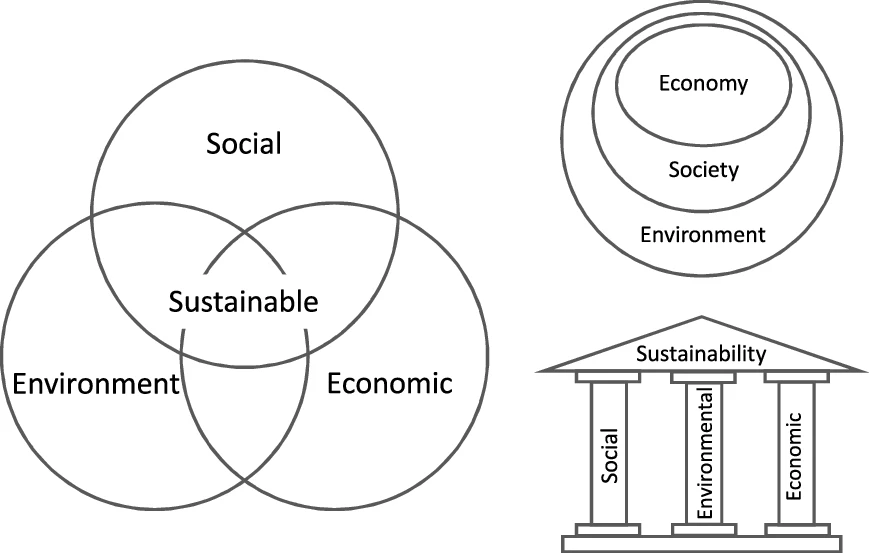
Financial sustainability refers to the ability of an organization, individual, or system to maintain its financial health and stability over time, while also co
Overview
Financial sustainability refers to the ability of an organization, individual, or system to maintain its financial health and stability over time, while also considering the social and environmental implications of its actions. This concept is closely tied to the broader idea of sustainability, which encompasses the environmental, social, and economic dimensions of human activity. Financial sustainability is crucial for ensuring the long-term viability of businesses, governments, and individuals, as it enables them to withstand economic shocks, invest in the future, and contribute to the well-being of society. With the increasing awareness of climate change, social inequality, and economic instability, financial sustainability has become a key concern for investors, policymakers, and consumers alike. According to a report by the [[world-economic-forum|World Economic Forum]], the global economy is expected to lose $14 trillion by 2050 if climate change is not addressed. In contrast, a study by [[harvard-university|Harvard University]] found that companies that prioritize financial sustainability tend to outperform their peers by 4-6% per year. As the world grapples with the challenges of sustainable development, financial sustainability has emerged as a critical component of the [[united-nations|United Nations]]' Sustainable Development Goals (SDGs), which aim to promote economic growth, social justice, and environmental protection by 2030.