Challenges Of Artificial Intelligence In Healthcare | Estateplanning
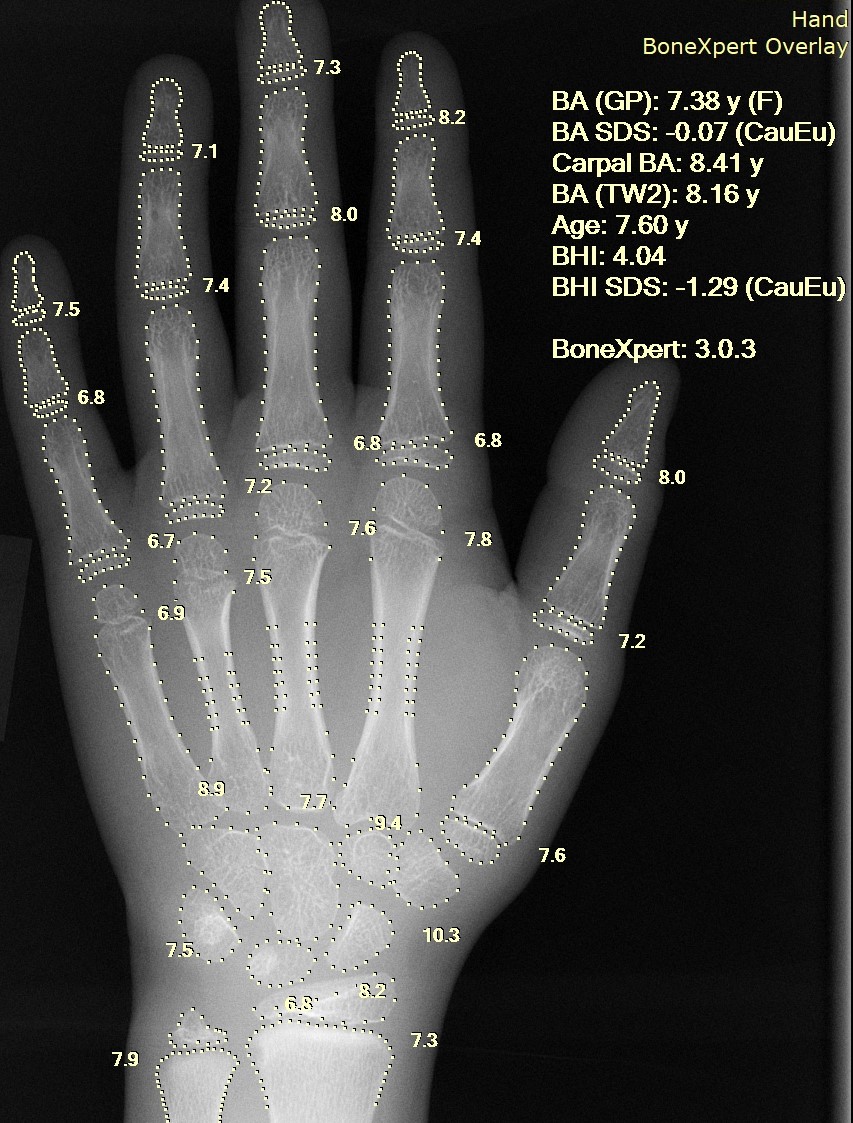
The integration of artificial intelligence (AI) in healthcare has the potential to revolutionize medical diagnosis, treatment, and patient care, but it also pre
Overview
The integration of artificial intelligence (AI) in healthcare has the potential to revolutionize medical diagnosis, treatment, and patient care, but it also presents numerous challenges. From ensuring data privacy and security to addressing the risks of algorithmic bias and job automation, the use of AI in healthcare raises complex ethical concerns. As AI technologies continue to evolve, it is crucial to address these challenges and develop strategies for responsible AI adoption in healthcare. According to a report by [[mckinsey-company|Mckinsey Company]], the global AI in healthcare market is projected to reach $6.6 billion by 2025, with a growth rate of 40% per annum. However, a survey by [[american-medical-association|American Medical Association]] found that 75% of physicians are concerned about the potential risks of AI in healthcare, including data breaches and medical errors. As the healthcare industry continues to grapple with these challenges, it is essential to develop and implement effective solutions that balance the benefits of AI with the need for patient safety and data protection. For instance, [[google-health|Google Health]] has developed an AI-powered platform for medical imaging analysis, which has shown promising results in detecting breast cancer. Nevertheless, the use of AI in healthcare also raises important questions about the role of human clinicians in the diagnosis and treatment process, as highlighted by [[dr-atul-gawande|Dr. Atul Gawande]], a renowned surgeon and public health researcher.