Bhagavad Gita: The Timeless Scripture of Hinduism | Estateplanning
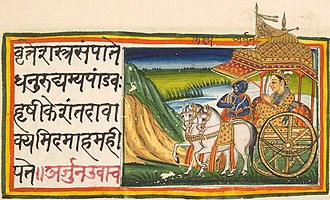
The Bhagavad Gita, composed around 400 BCE, is a seminal Hindu scripture that has shaped Indian thought and spirituality for millennia. This 700-verse dialogue
Overview
The Bhagavad Gita, composed around 400 BCE, is a seminal Hindu scripture that has shaped Indian thought and spirituality for millennia. This 700-verse dialogue between Prince Arjuna and Lord Krishna explores the nature of reality, duty, and the path to spiritual enlightenment. With a vibe score of 8, the Gita's influence extends beyond Hinduism, resonating with philosophers, artists, and leaders worldwide, including Henry David Thoreau, Mahatma Gandhi, and Aldous Huxley. The text's themes of selfless action, mindfulness, and the struggle between good and evil continue to inspire and provoke, with over 1,000 translations and interpretations in existence. As a cultural touchstone, the Bhagavad Gita has been the subject of numerous debates, with some hailing it as a masterpiece of spiritual literature and others criticizing its perceived militarism and social hierarchy. With its rich history, complex symbolism, and enduring relevance, the Bhagavad Gita remains a vital and contested work, inviting readers to engage with its profound insights and challenges.