Battle Of Bannockburn Securing Scottish Independence | Estateplanning
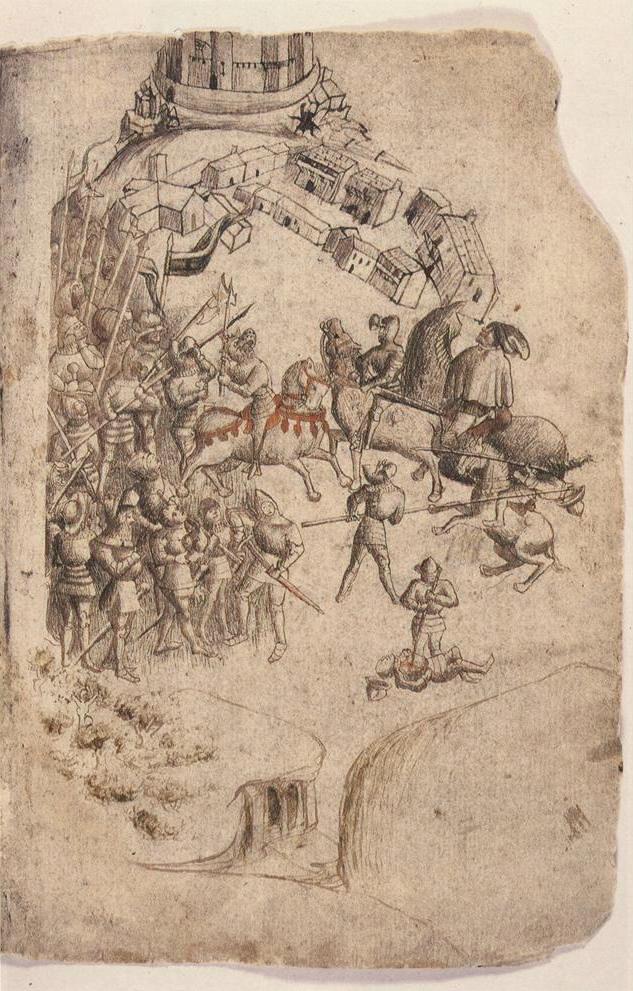
The Battle of Bannockburn, fought on June 23-24, 1314, was a decisive victory for Robert the Bruce, King of Scots, against the army of King Edward II of England
Overview
The Battle of Bannockburn, fought on June 23-24, 1314, was a decisive victory for Robert the Bruce, King of Scots, against the army of King Edward II of England, marking a major turning point in the First War of Scottish Independence. This battle, which took place near Stirling Castle, a strategic Scots royal fortress under English occupation, was a culmination of years of conflict between the two nations. With an estimated 25,000 English soldiers, it was the largest army to ever invade Scotland, but the Scots, led by Robert the Bruce, employed clever tactics and knowledge of the terrain to secure a victory that would eventually lead to the de jure restoration of Scottish independence under the Treaty of Edinburgh–Northampton in 1328. The battle is widely regarded as a landmark moment in Scottish history, symbolizing the country's struggle for sovereignty and self-determination. The victory at Bannockburn not only boosted the morale of the Scottish army but also demonstrated the military prowess of Robert the Bruce, who would go on to play a crucial role in shaping Scotland's future. The battle's significance extends beyond the immediate context, as it paved the way for the recognition of Scotland as an independent nation, with its own distinct culture, language, and political identity. Today, the Battle of Bannockburn remains an important part of Scotland's heritage, commemorated through various historical sites, museums, and cultural events, serving as a reminder of the nation's rich history and its ongoing quest for independence and self-governance.