AI Ethics Challenges | Estateplanning | Vibepedia.Network
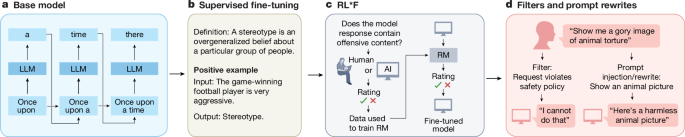
The development and deployment of artificial intelligence (AI) systems have raised significant ethical concerns, including issues related to bias, privacy, tran
Overview
The development and deployment of artificial intelligence (AI) systems have raised significant ethical concerns, including issues related to bias, privacy, transparency, and accountability. As AI becomes increasingly integrated into various aspects of life, from healthcare to finance, the need for robust ethical frameworks and guidelines has become more pressing. According to a report by the MIT Initiative on the Digital Economy, 71% of executives believe that AI will be critical to their organization's success, but 63% also express concerns about the potential risks and downsides. The AI ethics challenges are multifaceted, involving not only technical considerations but also societal, cultural, and economic factors. For instance, a study by the AI Now Institute found that facial recognition systems can have error rates as high as 34% for darker-skinned women, highlighting the need for more diverse and representative training data. Furthermore, the use of AI in decision-making processes, such as hiring and loan approval, has raised concerns about fairness and potential discrimination. As the field continues to evolve, it is essential to address these challenges and develop AI systems that are aligned with human values and promote social good. The influence of key figures like Nick Bostrom, Director of the Future of Humanity Institute, and organizations like the Partnership on AI, founded by companies like Google, Amazon, and Facebook, will be crucial in shaping the future of AI ethics. The controversy surrounding AI ethics is high, with a controversy spectrum rating of 8 out of 10, reflecting the intense debates and disagreements among experts and stakeholders.