African American Farmers | Estateplanning | Vibepedia.Network
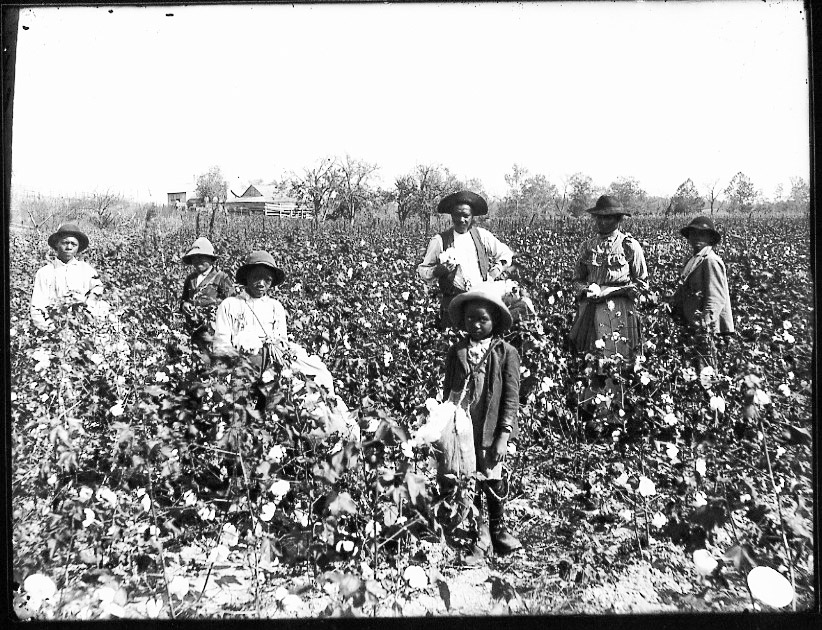
African American farmers have played a pivotal role in the agricultural history of the United States, from being the primary workforce on cotton and tobacco pla
Overview
African American farmers have played a pivotal role in the agricultural history of the United States, from being the primary workforce on cotton and tobacco plantations during the Antebellum South to their current struggles with systemic racism and discrimination. Despite the Emancipation Proclamation in 1863, many African Americans remained in farming as sharecroppers, rarely owning land. The 20th century saw policies like Jim Crow laws and the Agricultural Adjustment Act (AAA) further marginalize Black farmers, leading to the Great Migration to cities. Today, approximately 40,000 African American farmers remain, a significant decline from the 1 million during the era of slavery. Organizations like the [[national-association-of-minority-farmers|National Association of Minority Farmers]] and the [[usda|US Department of Agriculture]] are working to address the historical injustices and provide support to Black farmers. The story of African American farmers is one of resilience, perseverance, and the ongoing fight for equality and justice in the agricultural sector. With the help of initiatives like the [[black-farmer-equity|Black Farmer Equity]] movement, there is hope for a more equitable future for Black agriculturalists. The [[federation-of-southern-cooperatives|Federation of Southern Cooperatives]] is another organization that has been instrumental in supporting Black farmers and promoting cooperative economics.